

A Changing World for Children
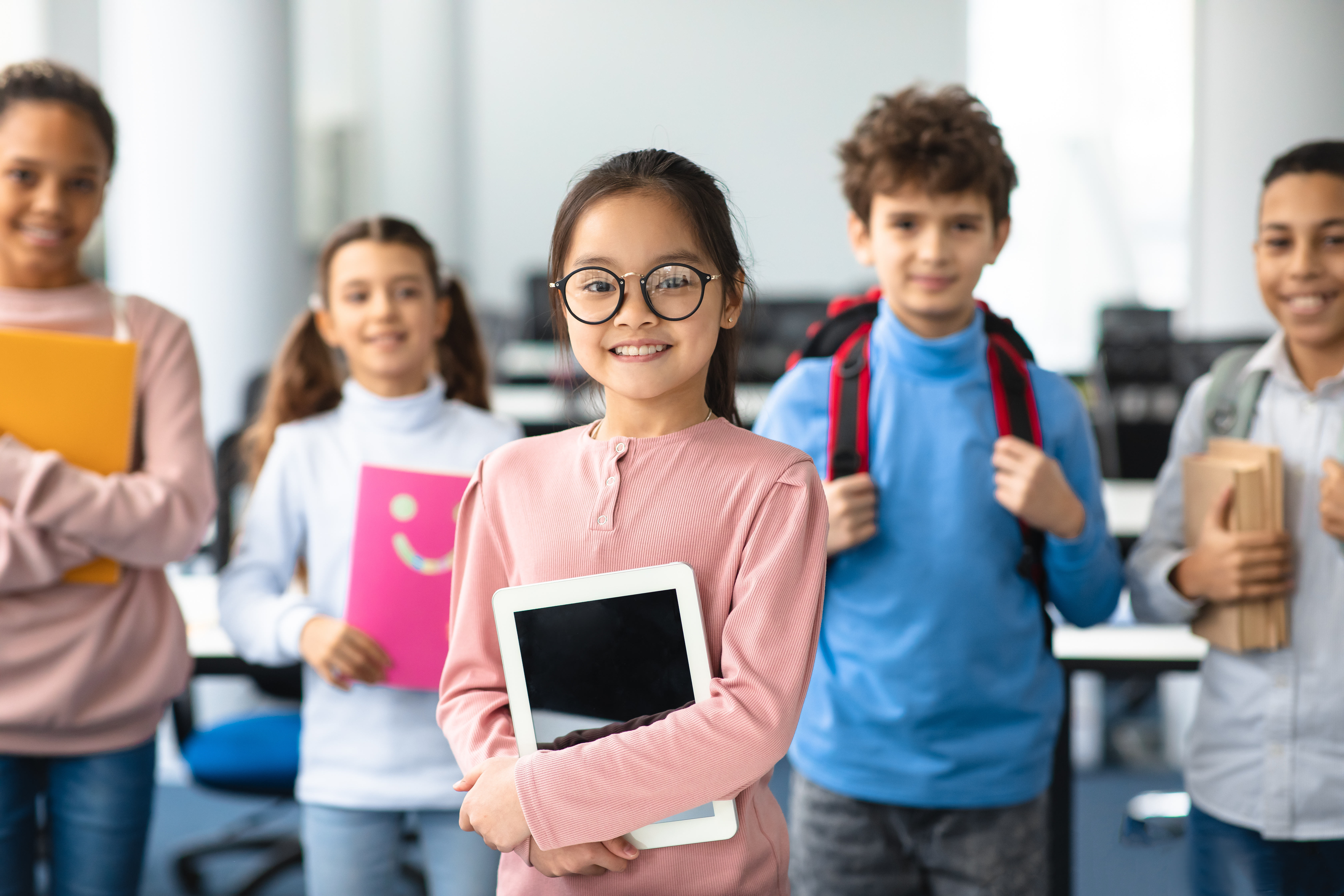
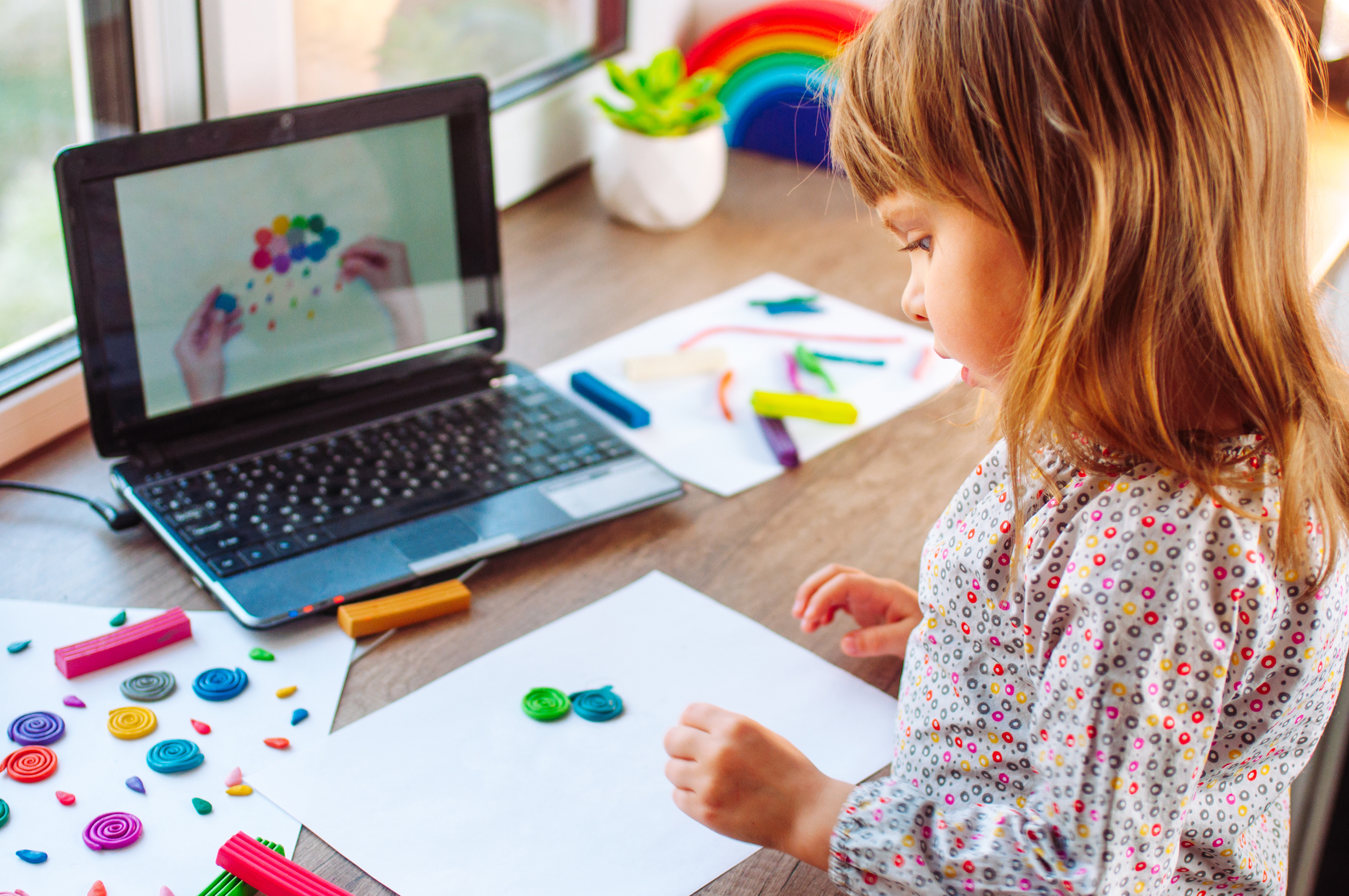
Children today are growing up in a world that looks very different from the one many of us experienced. Technology has become part of everyday life. Tablets, smartphones, streaming services, educational apps, and digital entertainment are everywhere.
Technology has brought many wonderful opportunities for learning and connection. It can be an incredible educational tool when used thoughtfully.
But communication is still learned through people.
Children develop language through conversations, shared experiences, facial expressions, play, problem-solving, asking questions, taking turns, and interacting with others.
A screen can teach information.
People teach communication.
As clinicians, many of us see children who are comfortable using technology and have impressive visual learning skills, yet struggle to hold conversations, play cooperatively with peers, solve problems together, or understand the subtle social cues that make communication meaningful.
These abilities do not simply develop on their own. They grow through repeated opportunities to interact with other people.
The Importance of Social Communication
One area that deserves more attention is social communication.
Many children can answer questions, label pictures, or perform well on structured activities. Yet they may have difficulty starting conversations, staying on topic, reading social situations, understanding another person's perspective, or building friendships.
These are the communication skills that help children succeed beyond the therapy room.
As speech-language pathologists, our goal is not simply to improve test scores or help children produce sounds correctly. Our goal is to help individuals communicate confidently in everyday life.
That means helping children participate in classrooms, on playgrounds, at family gatherings, and in community activities where communication happens naturally.
Why Peer Interaction Is So Valuable
Parents often ask whether therapy should take place at home, and home-based services certainly play an important role, especially for young children and those with more complex needs.
At the same time, we should not overlook the tremendous value of peer interaction.
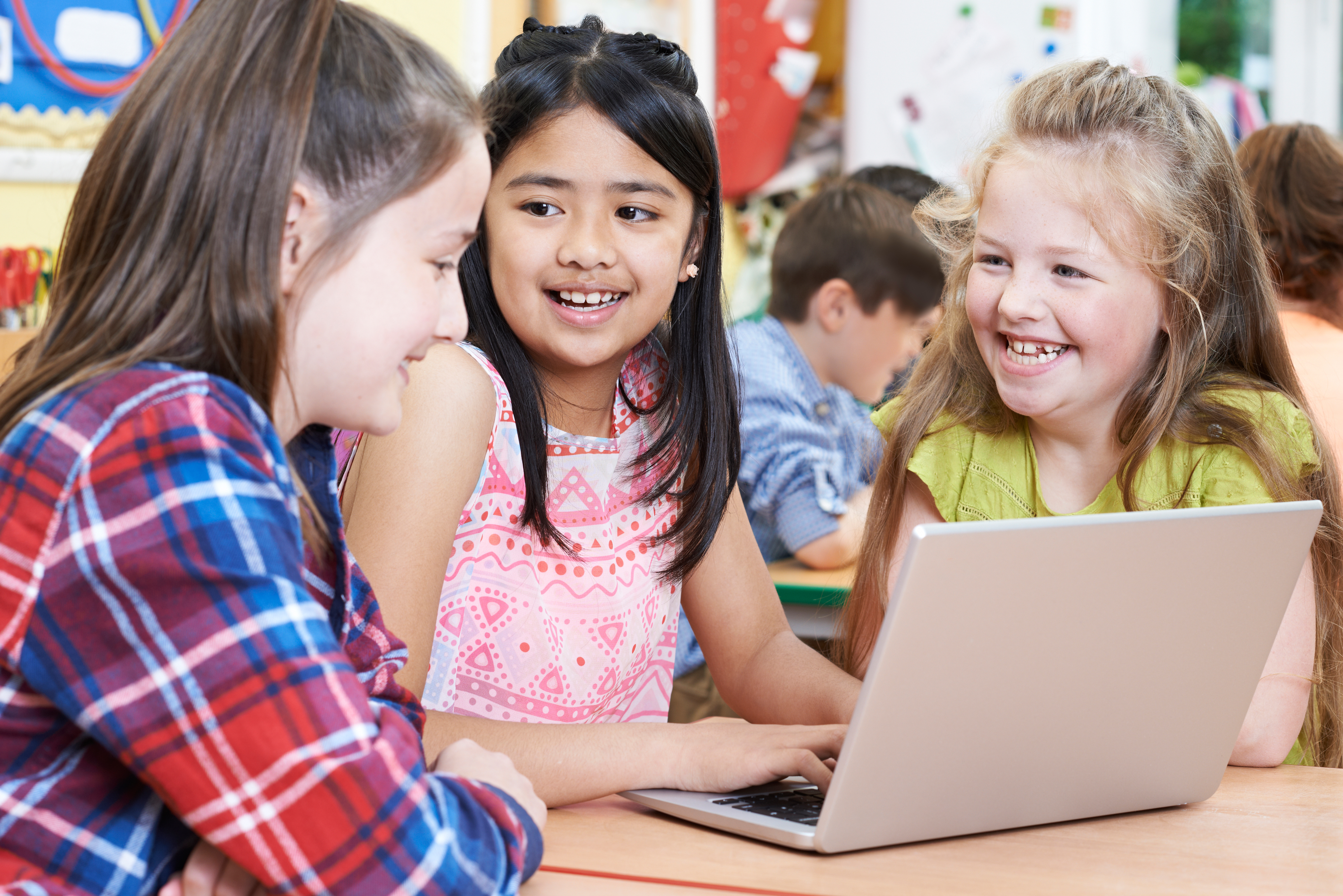
Some of the most meaningful growth in communication happens when children play together.
They learn to share.
They negotiate.
They solve disagreements.
They learn to wait their turn.
They discover how to express their thoughts, understand another person's point of view, and build friendships.
These experiences are difficult to recreate in a one-on-one therapy session.
Giving children opportunities to communicate with other children helps them develop the real-world skills they will use throughout their lives.
Communication Does Not Stop in Childhood
While much of the conversation focuses on children, adults face communication challenges every day as well.
Speech-language pathologists work with individuals recovering from strokes, traumatic brain injuries, Parkinson's disease, dementia, voice disorders, swallowing disorders, and many other neurological conditions.
We are also helping adults regain their ability to communicate following prolonged hospitalizations and complex medical treatments.
These individuals are doing far more than relearning words.
They are reconnecting with their families.
They are returning to work.
They are rebuilding confidence.
They are reclaiming independence.
Communication affects every aspect of our lives, regardless of our age.
Looking Ahead
The answer is not to eliminate technology.
Technology is here to stay, and when used appropriately, it can enhance learning and therapy in remarkable ways.
The challenge is making sure technology does not replace the experiences that help communication flourish.
We need more conversations.
More books read together.
More family dinners.
More opportunities to play.
More face-to-face interaction.
More chances to connect with one another.
And when communication challenges arise, we need to identify them early and provide meaningful intervention.
Whether we are helping a toddler say their first words or supporting an adult after a stroke, our purpose is the same.
We help people connect.
Because communication is about much more than speaking.
It is about sharing ideas, building relationships, expressing emotions, participating in our communities, and living life to its fullest.
That has always been the heart of what we do, and it has never been more important.


Leave a Comment
Recent Comments