Explore the latest insights, trends, and stories



Latest Blogs
Categories
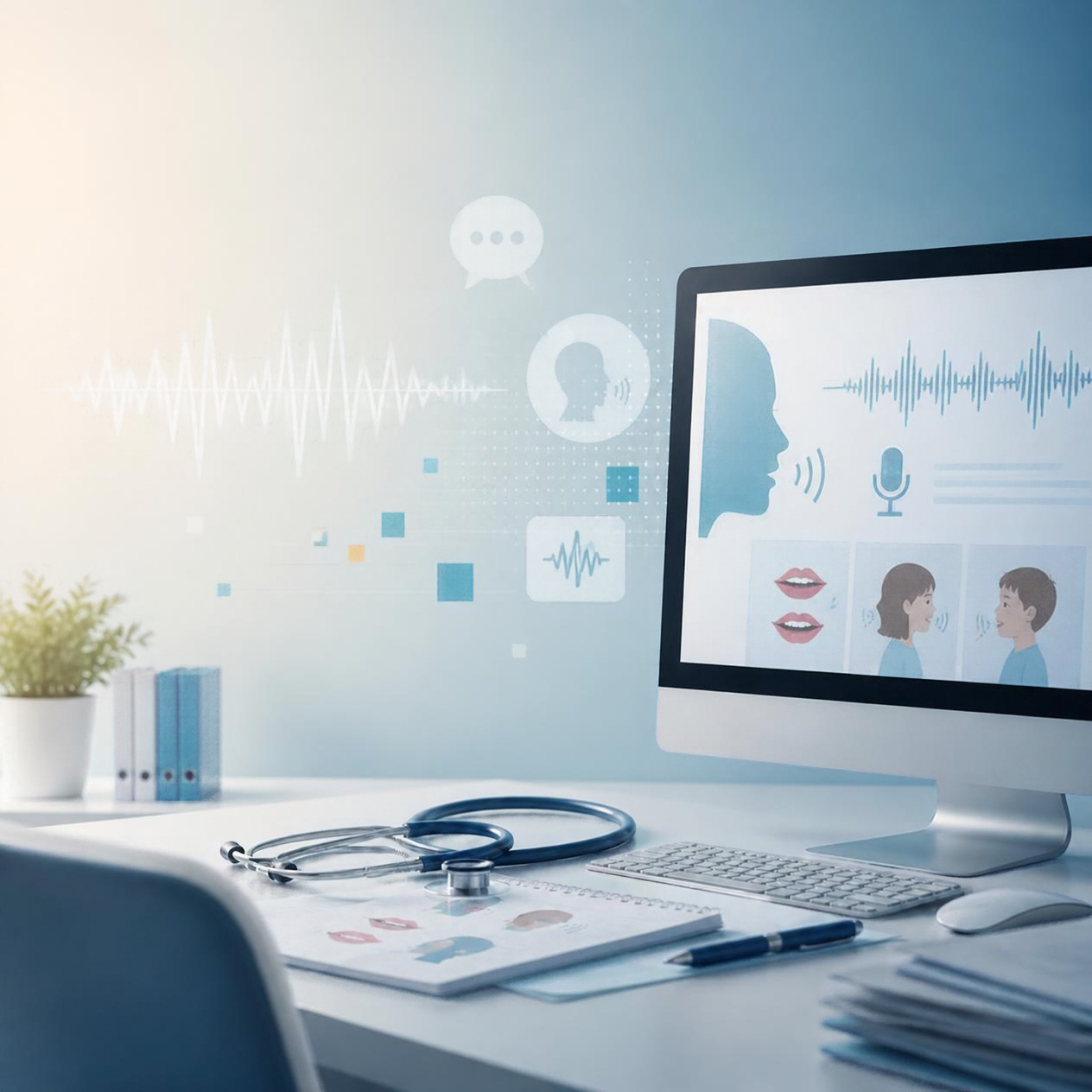
The End of CPT Code 92507: What the 2027 Changes Mean for SLPs?
As a speech-language pathologist, I have used CPT code 92507 for most of my career. It has been the familiar code for individual treatment of speech, language, voice, communication, and auditory processing disorders. Beginning January 1, 2027, that will change. When I first heard that 92507 was being eliminated and replaced with 10 new codes, I had many of the same questions other SLPs are probably asking. Why is this happening? How will the new codes work? Will they create more paperwork? Will they affect reimbursement? Most importantly, what will they mean for the way we provide and document services? I did some research to help make sense of the upcoming changes, and here is what I learned.
Read More
September Reset: 7 Things SLPs and OTs Can Do Now for a Smoother School Year
The beginning of a new school year always feels like a fresh start. New students, new schedules, new goals, and hopefully, a little renewed energy after the summer. But for Speech Language Pathologists and Occupational Therapists, September can also feel overwhelming very quickly. Caseloads need to be reviewed. Schedules have to be created. IEPs need attention. New students need baseline data. Materials have to be organized. Teachers and parents are reaching out. Documentation starts piling up almost immediately. Before you know it, the school year is moving at full speed. The good news is that a little organization now can make a significant difference throughout the rest of the year. Here are seven things SLPs and OTs can do in September to create a smoother, more manageable school year.
Read More
The ASLP Interstate Compact Is Here: What Speech Language Pathologists and Audiologists Need to Know
For years, speech language pathologists and audiologists have faced a frustrating challenge when trying to serve clients across state lines. Even highly qualified professionals have often needed to complete separate applications, submit the same documentation repeatedly, pay multiple fees, and wait for approval from each individual state. The Audiology and Speech Language Pathology Interstate Compact, known as the ASLP Compact or ASLP-IC, is beginning to change that process. The compact creates a pathway for eligible audiologists and speech language pathologists to obtain authorization to practice in participating states through a compact privilege. This can support both in person services and telepractice while maintaining state oversight and public protection.
Read More
Teletherapy vs. In-Person Speech Therapy in Schools: Why the Future May Not Be One or the Other
Teletherapy vs. In Person Speech Therapy in Schools, Benefits, Challenges, and the Future of School Based Services For years, the debate around teletherapy versus in person speech therapy in schools has centered on one question, which is better? The reality is that this may be the wrong question. School districts across the country are struggling to recruit and retain speech language pathologists (SLPs). Caseloads continue to grow, compliance requirements are becoming more demanding, and students are waiting longer for services. At the same time, technology has transformed nearly every profession, including healthcare and education. Many therapists have embraced teletherapy as an effective way to provide high-quality services while improving access and flexibility. Yet some school districts remain hesitant to adopt it. Why is there such a difference in perspective? The answer lies in understanding the unique challenges each group faces.
Read More
The End of CPT Code 92507: What the 2027 Changes Mean for SLPs?
As a speech-language pathologist, I have used CPT code 92507 for most of my career. It has been the familiar code for individual treatment of speech, language, voice, communication, and auditory processing disorders. Beginning January 1, 2027, that will change. When I first heard that 92507 was being eliminated and replaced with 10 new codes, I had many of the same questions other SLPs are probably asking. Why is this happening? How will the new codes work? Will they create more paperwork? Will they affect reimbursement? Most importantly, what will they mean for the way we provide and document services? I did some research to help make sense of the upcoming changes, and here is what I learned.
Read More
September Reset: 7 Things SLPs and OTs Can Do Now for a Smoother School Year
The beginning of a new school year always feels like a fresh start. New students, new schedules, new goals, and hopefully, a little renewed energy after the summer. But for Speech Language Pathologists and Occupational Therapists, September can also feel overwhelming very quickly. Caseloads need to be reviewed. Schedules have to be created. IEPs need attention. New students need baseline data. Materials have to be organized. Teachers and parents are reaching out. Documentation starts piling up almost immediately. Before you know it, the school year is moving at full speed. The good news is that a little organization now can make a significant difference throughout the rest of the year. Here are seven things SLPs and OTs can do in September to create a smoother, more manageable school year.
Read More
The ASLP Interstate Compact Is Here: What Speech Language Pathologists and Audiologists Need to Know
For years, speech language pathologists and audiologists have faced a frustrating challenge when trying to serve clients across state lines. Even highly qualified professionals have often needed to complete separate applications, submit the same documentation repeatedly, pay multiple fees, and wait for approval from each individual state. The Audiology and Speech Language Pathology Interstate Compact, known as the ASLP Compact or ASLP-IC, is beginning to change that process. The compact creates a pathway for eligible audiologists and speech language pathologists to obtain authorization to practice in participating states through a compact privilege. This can support both in person services and telepractice while maintaining state oversight and public protection.
Read More
Teletherapy vs. In-Person Speech Therapy in Schools: Why the Future May Not Be One or the Other
Teletherapy vs. In Person Speech Therapy in Schools, Benefits, Challenges, and the Future of School Based Services For years, the debate around teletherapy versus in person speech therapy in schools has centered on one question, which is better? The reality is that this may be the wrong question. School districts across the country are struggling to recruit and retain speech language pathologists (SLPs). Caseloads continue to grow, compliance requirements are becoming more demanding, and students are waiting longer for services. At the same time, technology has transformed nearly every profession, including healthcare and education. Many therapists have embraced teletherapy as an effective way to provide high-quality services while improving access and flexibility. Yet some school districts remain hesitant to adopt it. Why is there such a difference in perspective? The answer lies in understanding the unique challenges each group faces.
Read More