

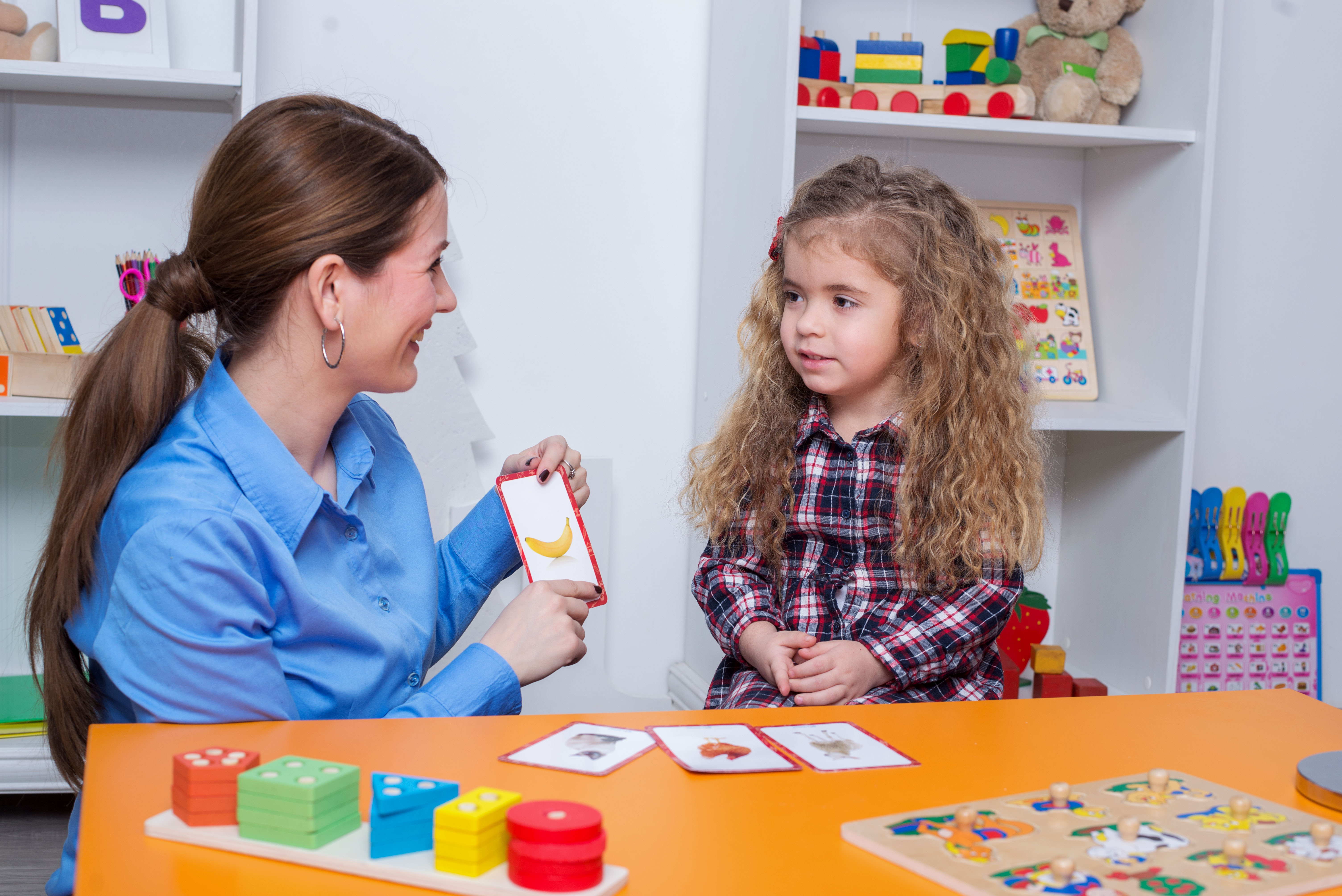
Why Early Intervention Matters
The first few years of life are an incredible period of brain development. During this time, children are learning at an astonishing rate. They are developing the skills they will use for speaking, understanding language, learning in school, building friendships, and expressing their thoughts and feelings.
When speech or language delays are recognized early, therapy can take advantage of this important stage of development. Research has shown that children who receive support early are more likely to strengthen their communication skills, become confident communicators, and need fewer services as they grow older.
Early intervention is not about placing a label on a child. It is about giving them every opportunity to succeed.
Understanding the Difference Between Speech and Language
Many people use the words speech and language as though they mean the same thing, but they are different.
Speech refers to how clearly a child produces sounds and words.
Language is the ability to understand what others are saying and to express thoughts, ideas, wants, and feelings using words, gestures, and conversation.
Some children struggle with speech, some with language, and others with both.
Developmental Milestones Every Parent Should Know
Children develop at different rates, but there are general milestones that can help parents know when to seek additional guidance.
By 12 months, most children:
- Respond to their name
- Babble using different sounds
- Use gestures such as waving or pointing
By 18 months, most children:
- Use approximately 10 to 20 words
- Understand simple directions
- Attempt to imitate words they hear
By 2 years, most children:
- Use at least 50 words
- Combine two words together such as "more milk"
- Follow simple instructions
By 3 years, most children:
- Speak in short sentences
- Ask simple questions
- Are understood most of the time by familiar adults
If your child is not reaching these milestones or has stopped using skills they previously had, it is worth discussing your concerns with your pediatrician or scheduling an evaluation with a licensed Speech Language Pathologist.
Trust Your Instincts
Parents know their children better than anyone else.
If you feel that your child is struggling to communicate, do not ignore that feeling simply because someone tells you they will eventually catch up.
An evaluation does not automatically mean your child needs therapy. Instead, it provides valuable information about your child's communication skills and helps determine whether support would be beneficial.
There is peace of mind in knowing rather than wondering.
Communication Affects Every Part of a Child's Life
Communication is about much more than talking.
It affects how children make friends, participate in the classroom, solve problems, express emotions, and build confidence.
When children cannot communicate effectively, they often become frustrated because they cannot express what they are thinking or feeling. Sometimes those frustrations appear as tantrums, withdrawal, or difficulty interacting with others.
Helping children communicate more effectively often improves much more than their speech. It can positively affect their confidence, independence, behavior, and overall quality of life.
Simple Things Parents Can Do Every Day
Parents have an incredible influence on their child's language development.
Some of the best opportunities to build communication happen during everyday routines.
Read together every day.
Talk about what you are doing while cooking, shopping, or driving.
Expand on what your child says. If they say "dog," you might respond, "Yes, that is a big brown dog."
Ask questions that encourage conversation.
Play pretend together.
Limit passive screen time and create opportunities for real conversations.
Most importantly, give your child time to respond. Sometimes a few extra seconds of waiting gives them the opportunity to find the words they are trying to say.
Who Can Help?
If you have concerns about your child's communication, several professionals can help.
A licensed Speech Language Pathologist is specially trained to evaluate and treat speech and language disorders.
Your pediatrician can discuss developmental concerns and provide referrals when appropriate.
An audiologist can evaluate your child's hearing since even mild hearing loss can affect speech and language development.
Children under three years of age may qualify for Early Intervention services, while children over three may receive services through their local school district if they meet eligibility requirements.
Trusted Resources for Parents
If you would like to learn more about speech and language development, these organizations provide reliable, research based information.
Centers for Disease Control and Prevention
Developmental milestones and free milestone checklists
https://www.cdc.gov/ncbddd/actearly/milestones
American Speech Language Hearing Association
Information about speech, language, hearing, communication disorders, and finding certified Speech Language Pathologists




Leave a Comment
Recent Comments