

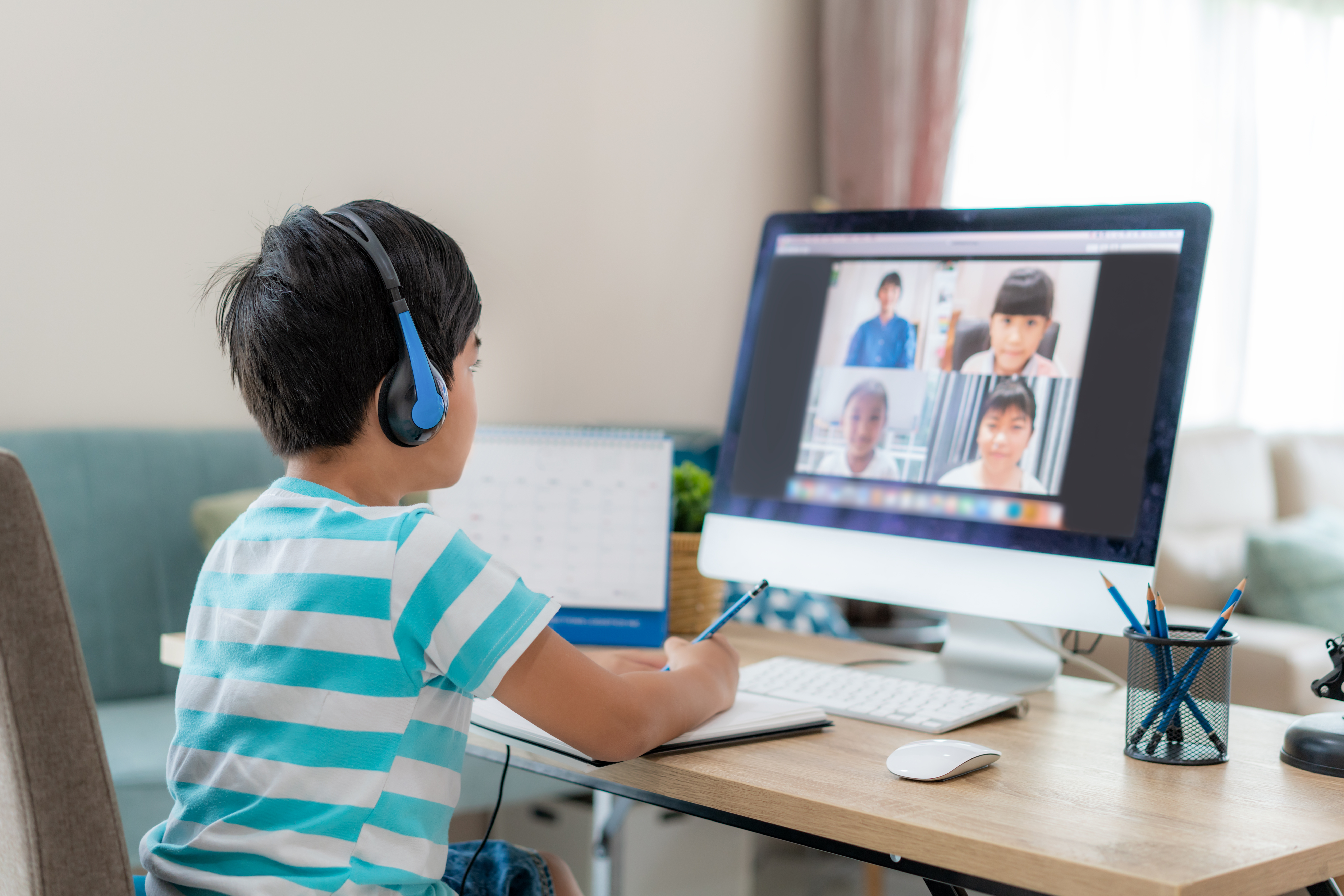
Why Many School Districts Hesitate to Adopt Teletherapy
School administrators have one primary responsibility, ensuring students receive appropriate services while maintaining compliance with state and federal regulations.
When evaluating any new approach, administrators naturally ask questions such as:
- Will students remain engaged?
- Will parents accept virtual services?
- Will therapy outcomes remain strong?
- Will technology create additional challenges?
- How will this impact IEP compliance?
- What happens if internet connectivity becomes unreliable?
These are reasonable concerns.
Schools are responsible for creating consistent systems that work for hundreds or even thousands of students. Introducing new technology often means changing established processes, training staff, and investing time into implementation.
For many districts, the hesitation is less about teletherapy itself and more about managing change successfully.
Why Speech Language Pathologists Are Embracing Teletherapy
Speech language pathologists often experience the situation from a very different perspective.
Many school-based SLPs are managing:
- Large caseloads
- Multiple school buildings
- Long daily commutes
- Extensive documentation requirements
- Staffing shortages
- Increasing burnout
For therapists, technology is not simply a convenience. It has become a practical solution to many of these daily challenges.
Teletherapy can reduce travel time, increase scheduling flexibility, improve consistency of services, and allow therapists to spend more time providing therapy instead of driving between schools.
For rural communities and districts struggling to hire qualified clinicians, teletherapy often makes the difference between students receiving services and students remaining on waiting lists.
Research Shows Teletherapy Can Be Highly Effective
One of the biggest misconceptions is that virtual speech therapy is less effective than traditional in person therapy.
Research over the past decade has consistently demonstrated that teletherapy can produce outcomes comparable to in person speech therapy for many communication disorders when services are delivered appropriately.
Students can successfully work on:
- Articulation
- Language development
- Social communication
- Fluency
- Voice therapy
- Executive functioning
- Cognitive communication
Success depends less on where the therapist is located and more on the quality of the clinician, appropriate technology, student participation, and thoughtful treatment planning.
Like any therapy model, teletherapy is not the right solution for every student. However, for many children, it provides an effective and engaging way to receive services.
Technology Has Changed What Teletherapy Looks Like
Early teletherapy often consisted of simple video calls and shared worksheets.
Today's therapy platforms are dramatically different.
Modern systems can include:
- Interactive therapy games
- Digital reinforcement activities
- Real time data collection
- AI assisted documentation
- Automated progress tracking
- Secure video conferencing
- Customizable therapy materials
- Parent communication tools
These innovations allow therapists to spend less time on administrative work and more time focusing on clinical care.
Technology should never replace the expertise of the speech language pathologist. Instead, it should enhance clinical decision making while reducing repetitive administrative tasks.
The Real Conversation Is About Access
The greatest challenge facing schools today is not deciding between teletherapy and in person therapy.
It is ensuring that students receive services consistently.
Across the United States, thousands of speech language pathology positions remain unfilled each year. Many districts spend months searching for clinicians while students miss valuable intervention time.
Every missed therapy session represents a lost opportunity for communication growth.
Families are less concerned about whether therapy occurs virtually or in person than they are about whether their child receives quality services from a qualified clinician.
Access has become one of the most important issues in special education.
The Future Is a Hybrid Model
Rather than asking whether teletherapy should replace in person services, many districts are discovering that combining both approaches creates the strongest model.
A hybrid approach allows schools to:
- Fill staffing shortages more quickly
- Expand access to specialists
- Improve scheduling flexibility
- Reduce therapist travel
- Maintain continuity of care
- Better to serve rural and underserved communities
This approach also gives therapists greater flexibility while ensuring students continue receiving consistent, high-quality intervention.
Supporting Therapists with Better Technology
As teletherapy continues to grow, the focus should shift from simply providing video sessions to giving therapists tools that improve both treatment and efficiency.
Platforms such as VirtualTx were designed specifically for rehabilitation professionals by therapists who understand the realities of clinical practice. Rather than relying on generic meeting software, clinicians have access to secure teletherapy, documentation tools, scheduling, progress monitoring, AI supported workflows, and practice management features within one integrated platform.
To keep students engaged during both virtual and in person sessions, therapists also need activities that are interactive, age appropriate, and clinically meaningful. VTXGames offers a growing library of therapy games and activities designed for preschoolers through adults. The platform supports speech, language, cognition, executive functioning, social communication, and many other treatment goals through engaging, realistic activities that help maintain motivation and participation.
Most importantly, these technologies are designed to support clinicians, never replace them. The expertise, clinical judgment, and relationship between the therapist and student remain at the center of every successful therapy session.
Looking Ahead
The future of school-based speech therapy is not about choosing between teletherapy and in person services.
It is about giving students access to the right services, delivered by qualified clinicians, using the best tools available.
Schools that embrace innovation while maintaining high clinical standards will be better positioned to address therapist shortages, improve access to care, and ensure students receive the support they need.
Technology is no longer something on the horizon. It is already changing how speech therapy is delivered every day.
The districts that will thrive are not the ones that resist change or fully replace traditional services. They will be the ones that recognize the value of both models and use each where it makes the greatest difference for students.
After all, the goal has never been to choose between teletherapy and in person therapy.
The goal has always been to help every student communicate, learn, and succeed.
Frequently Asked Questions
Is teletherapy as effective as in person speech therapy?
Research indicates that teletherapy can be just as effective as in person speech therapy for many speech, language, fluency, voice, and cognitive communication goals when delivered by qualified clinicians using appropriate technology.
Can schools use both teletherapy and in person therapy?
Yes. Many districts are adopting hybrid service models that combine in person and virtual services to improve staffing flexibility, maintain continuity of care, and expand access to specialists.
What are the benefits of teletherapy in schools?
Teletherapy helps schools address SLP shortages, reduces therapist travel time, improves scheduling flexibility, increases access to specialists, and supports students in underserved and rural communities.
How does technology improve speech therapy?
Technology has transformed speech therapy by giving clinicians tools that improve efficiency without replacing the expertise and clinical judgment of the therapist. Modern therapy platforms provide secure teletherapy, interactive therapy activities, AI assisted documentation, progress monitoring, scheduling, and communication tools that streamline daily workflows and reduce administrative burdens.
This allows speech language pathologists to spend less time on paperwork and more time focused on what matters most, providing high quality, individualized therapy and helping students achieve better outcomes.
Newer platforms, such as VirtualTx.ai, go beyond traditional teletherapy by supporting both in person and virtual service delivery within one integrated platform. Whether a clinician is providing services remotely, face to face, or through a hybrid model, VirtualTx.ai offers the tools needed to manage therapy, documentation, scheduling, communication, and progress tracking in one secure solution. Combined with engaging digital therapy activities through VTXGames, therapists have access to interactive, age-appropriate resources that keep students motivated while supporting meaningful clinical progress.



Leave a Comment
Recent Comments